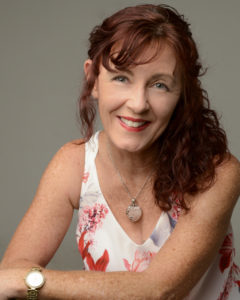
Catherine May Smith
Hypnosis is a mental state or imaginative role-enactment.
It is usually induced by a procedure known as a hypnotic induction, which is commonly composed of a long series of preliminary instructions and suggestions. Hypnotic suggestions may be delivered by a hypnotist in the presence of the subject, or may be self-administered. The use of hypnotism for therapeutic purposes is referred to as “hypnotherapy”.
The words hypnosis and hypnotism both derive from the term neuro-hypnotism (nervous sleep) coined by the Scottish surgeon James Braid around 1841.
“Hypnotism” is a state of physical relaxation accompanied and induced by mental concentration. The word “hypnosis” (from the Greek hypnos, “sleep”) is an abbreviation of James Braid’s (1841) term “neuro-hypnotism”, meaning “sleep of the nervous system”.
How can Hypnotherapy help me?
Hypnotherapy is often applied in order to modify a subject’s behavior, emotional content, and attitudes, as well as a wide range of conditions including dysfunctional habits, anxiety, stress-related illness, pain management, and personal development.
Catherine has completed a Certificate of Hypnotherapy with the Australian Success Institute and includes Hypnotherapy methods and practices in her Abundance Life Coaching work when she senses this mind therapy will help you.
Catherine says, “In my experience with many clients, hypnotherapy assists in slowing mind activity and induces a wonderful level of peace and physical relaxation. They feel very free and at ease with concerns and issues previously weighing heavily upon them. With this freedom comes newfound clarity and solutions & decisions come more readily for them.”
***********************************************************************************
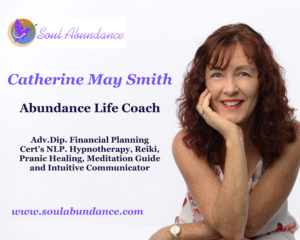 Catherine has successfully completed an Advanced Diploma in Financial Planning, Associate Diploma in Accounting, as well as being a Master Practitioner in Neuro-Linguistic Programming (NLP). Catherine is an Energy Healer, obtaining Certificates in Reiki & Pranic Healing, Hypnotherapy and Time Line Therapy and has also completed an Angel Intuitive Communication Certification with World renowned Author Master and Teacher Doreen Virtue Ph.D. She has had various articles published in the Nova Magazine.
 Super Discount offers for Single Mothers. 25% Discount.
 Super Discount offers for Students and Sole Parents. 25% Discount.